2026-10-04 · test
Cost Guide for Standard Soil Test in Odessa FL Before New Construction
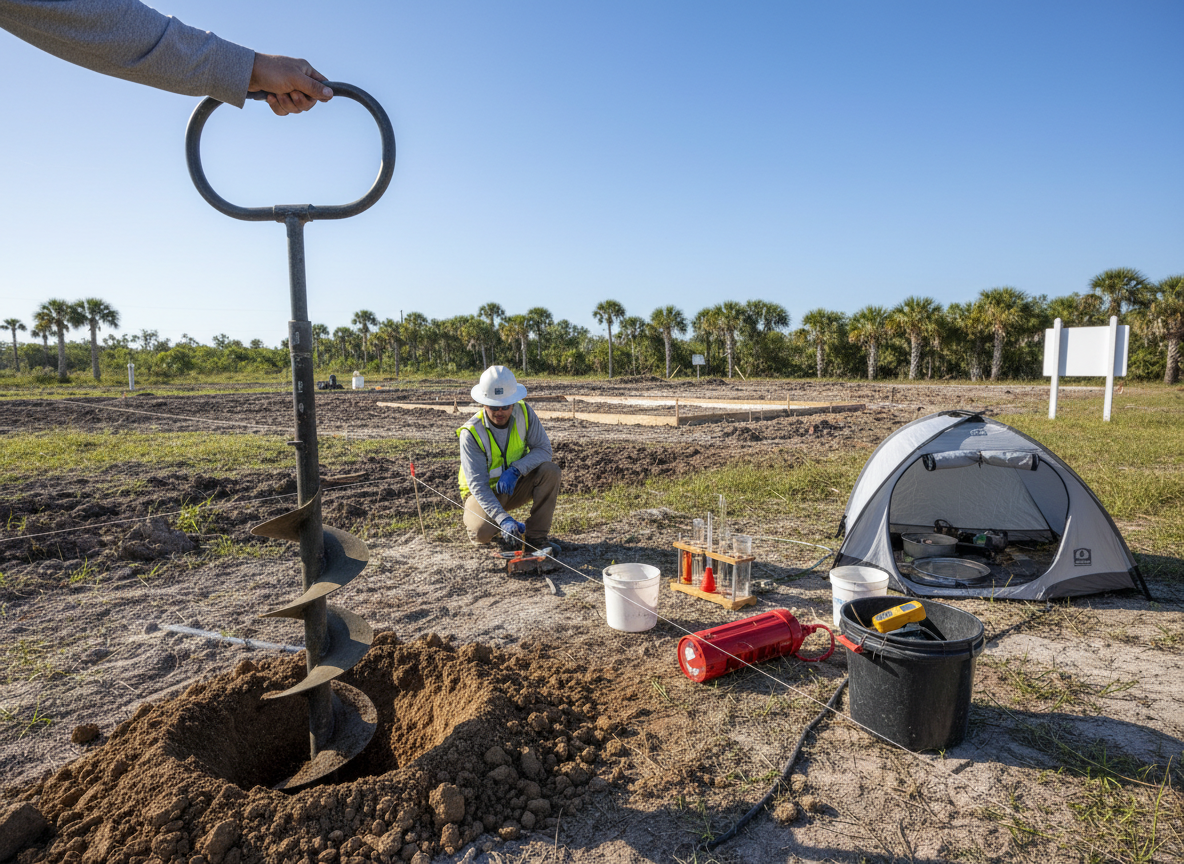
A standard soil test in Odessa before new construction usually costs $350–$750. Prices vary with lot size, depth of borings, and whether percolation testing is needed alongside basic nutrient and compaction analysis. Homes planned near Lake Keystone or in Eagle's Nest often see the higher end because of seasonal water table fluctuations from frequent summer thunderstorms.
Factors That Influence Pricing in Hillsborough County
Odessa sits in northern Hillsborough County where sandy soils mix with clay lenses left from old phosphate mining. A basic test package includes three to five borings to 10 feet plus lab analysis for bearing capacity and drainage. When builders add a fourth boring or request seasonal high-water-table confirmation, the price climbs toward $650–$750. Lots close to the Eleanor Hinman Preserve can require extra care to avoid disturbing protected wetlands, adding $75–$125 for permitting coordination. Nearby Tampa and Lutz projects sometimes bundle soil work with septic evaluations, but standalone Odessa jobs stay separate because county rules treat them as distinct permits.
Typical Cost Breakdown for a Standard Test
Most Odessa soil tests break down as follows: mobilization and three borings ($175–$225), laboratory nutrient and density testing ($125–$175), written report with foundation recommendations ($75–$125), and any rush or weekend scheduling ($50–$100). Percolation testing for septic suitability adds another $150–$250 when required. Builders working in Northdale subdivisions often request the full package because older plats there show variable fill material that needs verification before slab placement. The report itself must be stamped by a licensed engineer in Florida, which is already factored into the upper price tier.
How Local Weather and Terrain Change the Job
Humid subtropical conditions bring daily thunderstorms from June through September that can saturate test holes and delay results by two or three days. In Keystone, the terrain slopes gently toward Lake Keystone, so crews sometimes need deeper borings to confirm stable strata below the seasonal water table. Eagle's Nest lots near the preserve tend to have higher organic content in the top two feet, requiring removal or stabilization recommendations that appear in the final report. These site-specific notes directly affect foundation design and can save thousands later by avoiding post-construction settling issues common in the county.
When to Schedule Testing Relative to Permitting
Hillsborough County requires the soil report before issuing a building permit, so schedule the test at least three weeks before your planned submission. Morning slots between 8am and 10am are easiest to secure because crews finish before afternoon storms build. If your lot sits in Northdale or near Lutz, confirm whether the previous agricultural use left any residual contaminants that the lab must screen for an additional $80–$120. The test itself takes one day on site; lab turnaround is five to seven business days under normal summer humidity.
Next Steps After Receiving Your Report
Once the report arrives, review the recommended foundation depth and any compaction requirements with your builder. If the test shows marginal bearing capacity, you may need to budget for additional fill or pilings before pouring. Many Odessa owners also schedule a follow-up well-water test after heavy rains to confirm no cross-contamination from construction activity. For full service details see Test Service One. Readers planning septic systems may find the guide How to Read a Septic System Test Report for Odessa Homes Built Before 2000 useful when combining reports.